 Handcrafted in Canada
At a glance
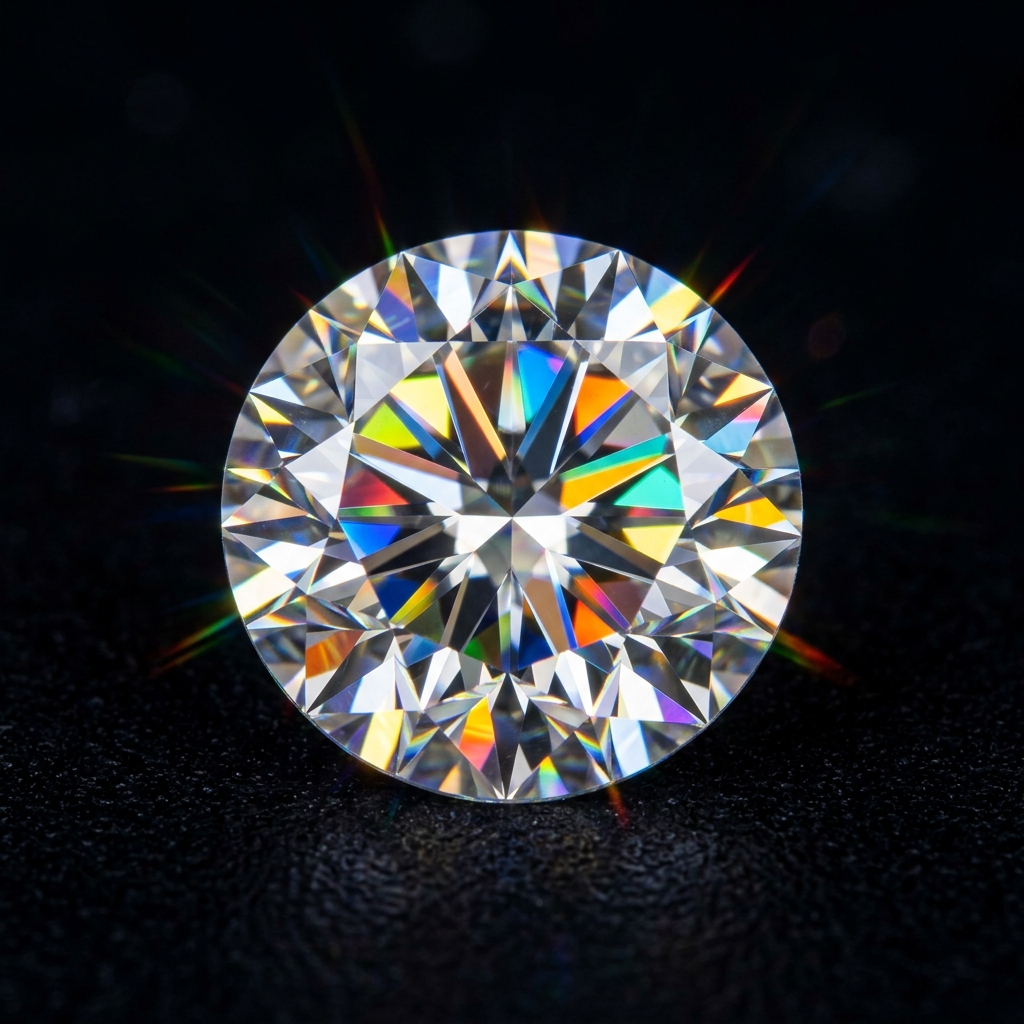
Lab-grown diamonds are diamonds created through controlled growth processes rather than geological formation. They differ in origin from natural diamonds and are distinct from simulants such as moissanite or cubic zirconia. When buying, review the individual stone, its laboratory documentation, the complete jewellery design and the specific claims made about its source.
What does lab-grown diamond mean?
A laboratory-grown diamond has essentially the same chemical, physical and optical properties as a natural diamond. Its origin is different. The term lab-grown should be clearly disclosed when you select a stone or jewellery piece; it is an important part of what you are buying.
Moissanite and cubic zirconia are different materials used as diamond simulants. They are not lab-grown diamonds. Ask for the material and origin to be stated clearly on the relevant product information and order documentation rather than relying on a photograph or the word diamond alone.
How are HPHT and CVD diamonds grown?
Two principal growth methods are High Pressure High Temperature, or HPHT, and Chemical Vapor Deposition, or CVD. HPHT uses conditions of high pressure and temperature. CVD grows diamond from a carbon-containing gas in a controlled chamber. Both methods produce laboratory-grown diamonds.
The growth method alone does not tell you whether a particular stone is the right choice. Look at its appearance and documentation, and ask about any reported post-growth treatment. A laboratory assessment provides more useful information about the stone than a general description of the production method.
What should you check on the laboratory documentation?
Start with the issuing laboratory, report or assessment number, stated origin and the characteristics recorded for that diamond. Use the laboratory’s verification service when available and ask how the documentation corresponds to the actual stone.
Report formats and terminology can vary between laboratories and between natural and laboratory-grown diamonds. Read the document you are being shown instead of assuming every report presents the same grades. A laboratory report is not an environmental certificate, a guarantee of resale value or a substitute for understanding the finished jewellery.
Compare the stone and the complete design
Consider the shape, dimensions, appearance and price of the individual stone alongside the setting and metal. Two diamonds with the same carat weight can have different proportions and a different face-up appearance. Your preferred size should also work with the band, setting height and the way the piece will be worn.
Discuss what is included in the quoted price, which options are available and what documentation will accompany the order. Your preference may be for natural origin, laboratory-grown origin, a particular look or a combination of budget and design priorities. The useful comparison is between actual options that meet those needs.
Ask for specific sourcing and environmental information
Lab-grown origin alone does not establish every environmental or labour condition involved in producing a diamond. Broad descriptions such as eco-friendly or conflict-free should not replace specific information that can be supported. If sourcing matters to your choice, ask what is known about the producer and supply chain, and what evidence supports any stated benefit.
This guide does not claim that every laboratory-grown diamond has a lower environmental footprint than every mined diamond, or that all laboratory-grown stones have a fully verified supply chain. A stone’s gemological report describes the stone; separate claims about production require separate support.
Questions to bring to your consultation
Bring the specifications or references that interest you and ask questions about the particular stone and finished piece. You can compare possibilities before deciding to buy. At Elysian Jewels, appointments are free, last 30 minutes and offer pressure-free guidance on diamonds and jewellery.
- Is the stone clearly identified as laboratory-grown, and what documentation is available?
- How can I verify its report or assessment, and does it record any treatments?
- How do its shape and dimensions work with the setting I prefer?
- What is included in the final quotation, and which order and sizing policies apply?
- What specific evidence supports any sourcing or environmental claim being made?
Questions, answered
Are lab-grown diamonds the same thing as moissanite?
No. Lab-grown diamonds are diamonds with a laboratory-grown origin. Moissanite is a different material and a diamond simulant.
Does a diamond report prove that a stone is eco-friendly?
No. Gemological documentation describes the stone and its characteristics. Environmental or supply-chain claims need their own specific supporting information.
Can I compare natural and lab-grown diamond options at Elysian?
Yes. Elysian Jewels offers both. A free, pressure-free 30-minute appointment can help you discuss the origin, design and budget preferences that matter to you.